Rachel Kim
Residential Security Specialist
Jun 1, 2026 8 min read
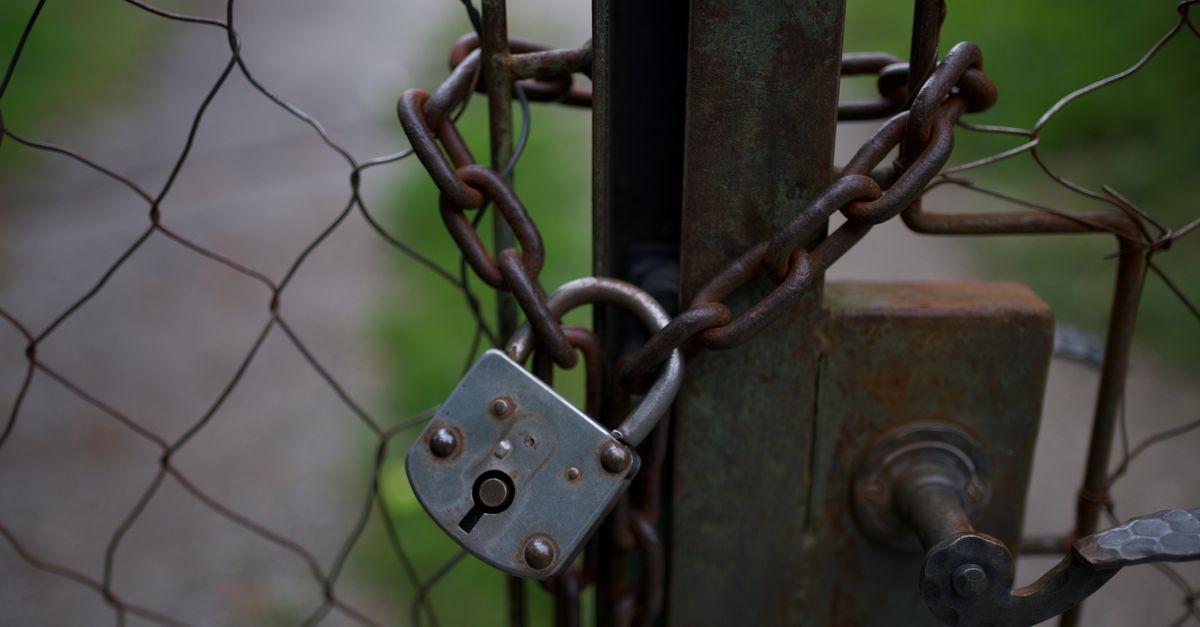
Walk through any hardware store in Rockaway Beach or Valley Stream and you'll find an overwhelming wall of locks — deadbolts, knobs, levers, smart locks, and everything in between. Choosing the right one isn't just about price or looks; it's about matching the lock to your actual security needs, your door type, and your daily routine.
This guide breaks down the most common lock types homeowners and drivers in the Five Towns and JFK corridor ask us about, explains how they compare on security and convenience, and helps you figure out what's actually worth upgrading. When in doubt, our team at Raleigh Pro Locksmith is available around the clock to assess your doors and recommend the right hardware for your situation.
Single-Cylinder and Double-Cylinder Deadbolts
The deadbolt is still the gold standard for residential door security, and for good reason. A properly installed Grade 1 ANSI deadbolt — the highest consumer-grade rating — uses a solid steel bolt that extends at least one inch into the door frame, making it extremely resistant to kick-in attacks. Single-cylinder models lock and unlock with a key on the outside and a thumb-turn on the inside. This is the most common choice for front doors throughout South Queens and Nassau County neighborhoods.
Double-cylinder deadbolts require a key on both sides, which adds a layer of security if your door has glass panels nearby — a burglar can't simply break the glass, reach in, and turn a thumb-turn. The trade-off is a real one: in a fire or emergency, you need your key to get out. If you go the double-cylinder route, keep a key on a hook near the door but out of sight from any windows. Never use a double-cylinder on a door that's a primary exit route without having that escape plan firmly in place.
Knob and Lever Locks (and Why They Shouldn't Stand Alone)
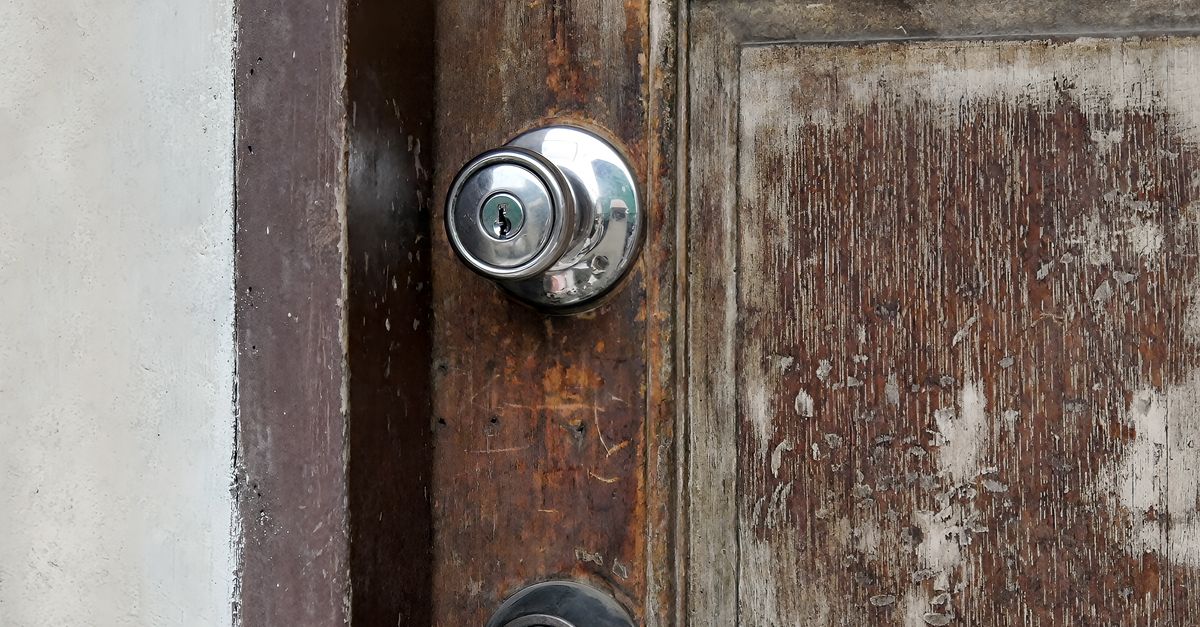
Knob locks and lever-handle locks are everywhere — on interior bedroom doors, older apartment units, and side or back doors of homes throughout the area. The mechanism sits inside the knob or lever itself, which makes it inherently vulnerable: a determined intruder can use channel-lock pliers or a swift kick to snap the knob off entirely and manipulate the locking mechanism directly. That's not a scare tactic; it's a genuine mechanical weakness.
That doesn't mean you should rip every lever lock off your doors. On interior doors — bathrooms, bedrooms, home offices — they're perfectly appropriate and meet ADA accessibility requirements better than knobs. The rule of thumb: never rely on a knob or lever lock as the sole security for an exterior door. Pair it with a quality deadbolt above it, and you've addressed the weakness without replacing all the hardware.
Keypad and Smart Locks
Smart locks have moved well past the novelty phase. Today's keypad and app-controlled locks from brands like Schlage, Kwikset, and Yale offer real security benefits alongside the convenience of keyless entry. A keypad lock lets you create unique codes for different people — a house cleaner, a contractor, a family member — and delete those codes remotely when access is no longer needed. You never have to re-key the lock or worry about a physical key being copied. For rental properties near JFK or vacation units in the Rockaways, this flexibility is a major practical advantage.
From a security standpoint, the best smart locks are ANSI Grade 1 certified and pair a solid deadbolt mechanism with their electronic components, meaning the bolt itself is just as strong as a traditional lock. The potential vulnerabilities are on the tech side: weak Wi-Fi passwords, outdated firmware, or choosing a lock without auto-lock capability. Always enable auto-lock so the door doesn't stay unlocked if someone forgets to secure it. Keep your lock's firmware updated through its app, just as you would your phone's operating system. Battery life is the other practical issue — most smart locks run on AA or 9V batteries and will warn you when power is low, but it's worth checking quarterly.
High-Security Locks and Restricted Keyways
If you want the strongest physical security available for a residential or small commercial property, high-security locks from manufacturers like Medeco, Mul-T-Lock, and ASSA Abloy are in a separate category from standard hardware-store locks. These locks use patented restricted keyways, meaning keys can only be duplicated at an authorized dealer with proof of ownership — no one is copying your key at a kiosk. They also feature anti-pick pins, anti-drill plates, and anti-bump mechanisms that defeat the most common bypass techniques.
The trade-off here is cost: high-security hardware and installation will run more than standard locks, and replacement keys cost more and take longer to obtain. But for a business owner in the Five Towns, a home with frequent contractor access, or anyone who has experienced a break-in or a suspicious lost key, the investment is often worth it. We can assess whether a restricted keyway system makes sense for your specific doors and situation — not every door needs this level of protection, but some absolutely do.
Car Locks and Transponder Keys: The Automotive Side
Lock security isn't just a home concern. Modern vehicle locks involve transponder chips, proximity fobs, and push-button ignition systems that are very different from the mechanical car keys of even fifteen years ago. If you lose a transponder key or a key fob, a standard hardware-store key cut won't start your car — the chip inside the key needs to be programmed to match your vehicle's immobilizer system. This is something our mobile unit handles on-site for most makes and models, which matters when you're locked out near JFK at 2 a.m. and the dealership is closed.
For drivers in the area, it's worth having a spare programmed key made before you lose your only one. Emergency programming after a lockout is always possible, but having a backup avoids the stress entirely. Also worth knowing: if your key fob buttons are working but the key no longer turns in the door cylinder — common on older vehicles — the cylinder itself may need rekeying or replacement, not the fob. A quick diagnostic call can help you figure out which problem you're actually dealing with.
Frequently asked questions
How do I know if my current deadbolt is actually a good one?+
Look for an ANSI/BHMA grade rating on the packaging or the manufacturer's spec sheet. Grade 1 is the highest and best for exterior residential doors; Grade 2 is acceptable for secondary doors; Grade 3 is generally for interior use only. Also check that the bolt extends at least one inch into the frame when locked, and look at the strike plate — a one-inch bolt into a flimsy strike plate with short screws is still a weak point. Upgrading to a reinforced strike plate with 3-inch screws that reach the stud behind the frame is one of the highest-impact security improvements you can make for very little cost.
Can a locksmith rekey a smart lock, or do I need to replace it?+
Most smart locks can be reset electronically — you can delete all existing codes and fobs through the app or keypad without any physical rekeying. If your smart lock also has a traditional key cylinder backup (many do), that cylinder can be rekeyed just like any standard lock to match a new key. Whether you reset the electronic credentials, rekey the cylinder, or do both depends on your situation. If you've had a break-in or a tenant dispute, doing both gives you a complete clean slate.
What factors affect the cost of a lock replacement or upgrade?+
Several things influence pricing: the grade and brand of lock you choose (hardware-store standard vs. high-security), whether the existing door prep is compatible with the new lock or requires modification, the type of door material (wood, fiberglass, steel), and whether you need additional work like strike plate reinforcement or door frame repair. Labor for a straightforward residential deadbolt swap is a different scope than installing a new high-security system on a commercial steel door. We're always happy to give you a clear quote before any work begins so there are no surprises.
I'm locked out of my car near JFK — what should I expect from a mobile locksmith?+
A mobile locksmith can typically open your vehicle without damage using professional tools designed for your specific make and model — no coat hangers or wedges that can scratch or bend your door frame. For most modern vehicles, the locksmith will ask for your registration or proof of ownership before opening the car, which is a legitimate and necessary step to protect vehicle owners. If you also need a key made on the spot, be prepared to show your ID and registration. Response times vary by location and traffic, but for the Five Towns and Rockaways area we aim to be on-site quickly — call us directly at (516) 346-5505 so we can give you a realistic ETA.