Mike Diaz
Lead Automotive Locksmith
May 18, 2026 7 min read
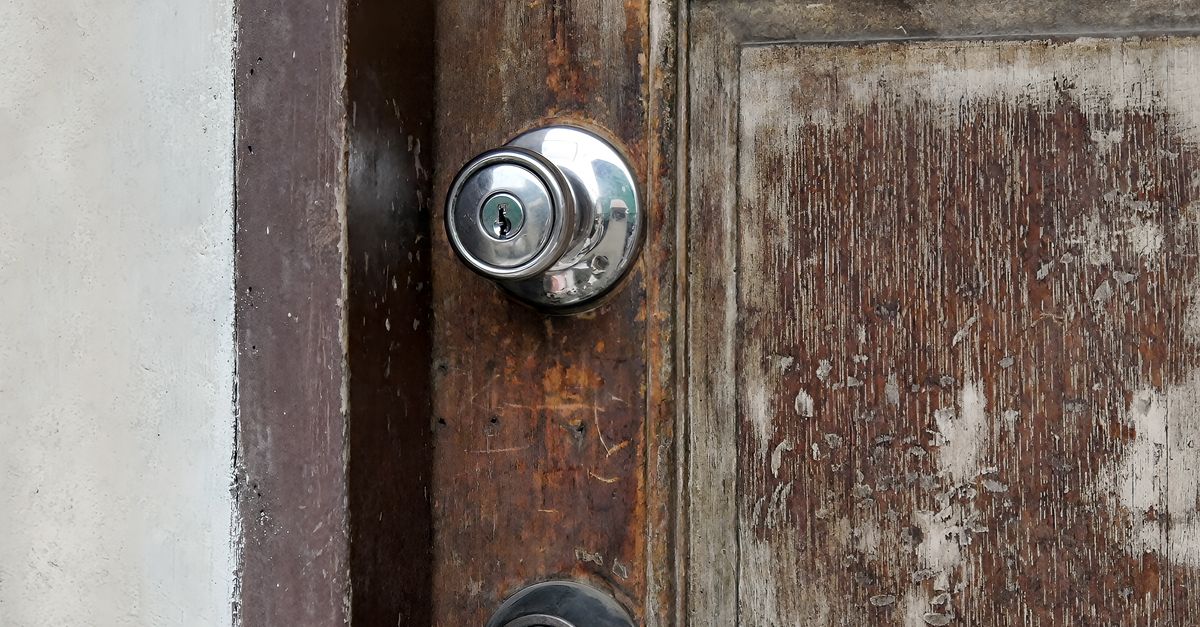
You just moved into a new house in Woodmere, handed over your keys to a contractor who finished the job, or maybe you lost a spare somewhere between JFK and home — and now you're standing at your front door wondering: do I need to rekey this lock or replace it entirely? It's a question we get every day, and the answer matters because one option is almost always faster and cheaper than the other.
This guide breaks down exactly what rekeying and lock replacement mean, when each one actually makes sense, and how to make the smart call without overspending or underprotecting your home or vehicle. No upselling, no fluff — just the real difference so you can decide with confidence.
What Rekeying Actually Means
Rekeying a lock means changing the internal pin configuration inside your existing lock cylinder so that your old key no longer works and a new key does. A locksmith removes the cylinder from your door, disassembles it, swaps out the small spring-loaded pins inside, and reassembles everything — all without touching the hardware on your door. The lock itself stays exactly where it is. The deadbolt, the strike plate, the knob — none of that moves.
The process typically takes 15 to 30 minutes per lock by a trained technician, and because you're only paying for labor and a handful of tiny pins (not new hardware), it's almost always the more affordable route. One practical bonus: a locksmith can often rekey multiple locks in your home to a single key, so you're not juggling four different keys for your front door, back door, side entrance, and garage. That alone makes it worth a call.
What Lock Replacement Actually Means
Replacing a lock means removing the entire existing lock assembly — cylinder, housing, sometimes the door hardware — and installing a brand-new unit. You're starting from scratch. This is the right call when the physical lock is damaged, worn out, corroded, or simply not up to the security standard your home needs. It's also the path to take if you want to upgrade to a higher-grade lock, add a smart lock, or switch from a knob-only setup to a deadbolt.
Replacement costs more than rekeying because you're paying for new hardware on top of labor. The price varies based on the lock brand and grade you choose, the complexity of the door prep needed, and whether any door reinforcement work is required — things like a weak strike plate or a door frame that needs attention. A good locksmith will walk you through those factors before any work begins so there are no surprises.
When to Rekey — The Clear-Cut Cases
Rekeying is the right move whenever your lock is in good working condition but your key control situation has changed. Just bought a home in Valley Stream or Lawrence and the previous owners handed you two keys but you have no idea how many copies are floating around? Rekey. Ended a lease, fired a housekeeper, had a roommate move out, or finished up with a contractor who had a key? Rekey. Lost a key but you're not sure if it was stolen or just misplaced? Rekey — it's fast, effective, and far cheaper than assuming the worst and replacing everything.
The security outcome of rekeying is exactly the same as replacement when the lock itself is sound: the old key is dead, and only the new key works. There's no meaningful security difference between a rekeyed Kwikset deadbolt and a replaced one, as long as the lock was a good-quality unit to begin with. If you're unsure whether your current locks are worth keeping, ask your locksmith to assess the grade and condition on the spot — that's a quick evaluation any professional can give you.
When to Replace — Don't Skip This Step
There are situations where rekeying simply isn't enough or isn't possible. If your lock is visibly damaged — stiff to turn, cylinder spins freely, bolt doesn't seat cleanly, keyway is worn and accepts almost anything — replacement is the safer and smarter choice. A damaged lock doesn't just create a security risk; it creates a lockout risk. A lock that's on its way out will fail at the worst possible moment, like midnight in the middle of a Rockaways winter.
You should also consider replacement if your locks are builder-grade hardware (the basic single-cylinder knobs that come standard in many older Long Island homes), especially if you're adding a security upgrade. Stepping from a Grade 3 builder lock to a Grade 1 or Grade 2 deadbolt with a reinforced strike plate is a real, measurable security improvement — rekeying the old hardware wouldn't get you there. The same logic applies to cars: if your ignition cylinder is worn or damaged, replacement of the ignition assembly is often the correct fix rather than just reprogramming a key.
How to Make the Decision in Five Minutes
Here's a simple framework. Ask yourself three questions: (1) Is the lock physically working well — does it turn smoothly, does the bolt extend and retract cleanly, is there no wobble or damage? (2) Has the security situation changed — new keys out there that shouldn't be, or lost keys you can't account for? (3) Do I want a better lock than what I already have? If the lock works well and you just need key control back, rekey. If the lock is damaged, you want an upgrade, or you're dealing with a break-in attempt that left marks on the hardware, replace.
When in doubt, have a locksmith look at it before making a call. Any reputable mobile locksmith in the Five Towns or Rockaways area should be willing to assess your existing locks and give you an honest recommendation — not just default to the more expensive option. At Raleigh Pro Locksmith, that's exactly how we approach every service call: tell you what you actually need, not what costs more.
Frequently asked questions
Can I rekey my own locks without a locksmith?+
Technically yes — rekeying kits are sold online for popular brands like Kwikset and Schlage. However, the process requires disassembling the cylinder without losing the springs and pins (which are tiny and easy to drop), and any mistake means a non-functioning lock. For one lock and a patient afternoon, a DIY kit can work. For multiple locks, a vehicle, or anything where getting it right the first time matters, a professional locksmith is faster, cleaner, and less frustrating.
Will rekeying my lock make it more or less secure?+
Rekeying does not change the security level of your lock — it simply renders old keys useless. If your existing lock is a solid Grade 1 or Grade 2 deadbolt in good condition, rekeying it is completely adequate. If it's a basic builder-grade lock, rekeying it keeps the same level of security (which may be worth upgrading). The rekey itself is neither a security upgrade nor a downgrade — it's purely a key control measure.
I just bought a house near JFK — do I really need to rekey or replace the locks?+
Yes, absolutely, and this is one recommendation we give every single time. Even if the previous owners were completely trustworthy, you have no way of knowing how many key copies exist — real estate agents, family members, former housekeepers, contractors, neighbors with spare keys. Rekeying all exterior locks is the fastest and most cost-effective way to ensure only your keys open your new home. It's one of the first things you should schedule, ideally before or right after move-in day.
How quickly can a mobile locksmith get to me in the Five Towns or Rockaways area?+
Raleigh Pro Locksmith operates 24 hours a day, 7 days a week, with mobile units covering Woodmere, Lawrence, Cedarhurst, Far Rockaway, and the surrounding area including near JFK. Response times vary by traffic and call volume, but our goal on every call is to get to you as quickly as possible — including late-night and weekend lockouts. If you're locked out or need a lock assessment, call us directly at (516) 346-5505 and we'll give you a realistic arrival window right on the phone.