Raleigh Pro Locksmith Service Team
Local locksmith team
Aug 26, 2026 9 min read
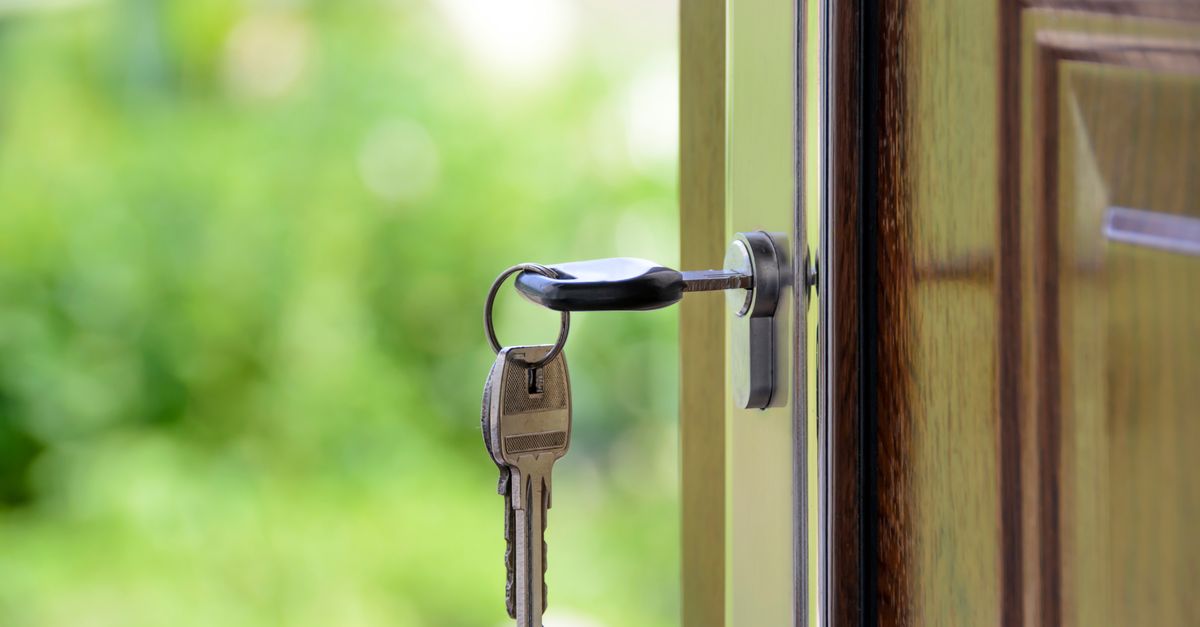
It happens fast — you're rushing out the door on a Monday morning, you turn the key, and snap. Half of it stays in your hand while the other half disappears into the lock or ignition. Whether you're standing in your driveway off Falls of Neuse Road or stuck in a parking deck downtown, a broken key is one of those problems that stops everything. The good news: it's fixable. The key is knowing exactly what to do in the next few minutes — and what not to do — so you don't turn a frustrating situation into an expensive one.
This guide walks Raleigh homeowners and drivers through the smartest steps to take right after a key snaps, covers when a careful DIY attempt makes sense, and explains clearly when calling a professional locksmith is the right call. We'll also touch on what happens next — lock changes, rekeying, replacement keys — so you leave here with a full picture.
## Why Keys Break — and Why It Matters for What You Do Next
Keys don't snap without a reason. The most common culprits are metal fatigue from years of daily use (especially on older house keys), attempting to unlock a frozen or stiff lock with too much rotational force, using a worn key that's been copied one too many times, or turning an ignition while the steering wheel is putting pressure on the lock cylinder. Understanding the cause matters because it affects whether the lock itself is still in good working order. If the key broke because the lock was already binding or corroding inside, simply extracting the broken piece and cutting a new key won't solve the root problem — and you may find yourself locked out again within weeks.
Before you do anything else, take a breath and resist the urge to grab tweezers or a pen and start digging. Pushing the broken fragment deeper into the lock or ignition is the single most common mistake people make, and it almost always makes the locksmith's job harder and more time-consuming. Step one is always: don't make it worse.
## Immediate Steps to Take When Your Key Breaks Off
First, look at how much of the key is sticking out of the lock. If a few millimeters of metal are visible above the keyway, you have options. Needle-nose pliers — the thin, tapered kind — can sometimes grip just enough of the exposed fragment to pull it straight out. The motion should be steady and outward, with zero rotation. If the fragment doesn't move with light, even pressure on the first try, stop. Forcing it risks snapping the piece even deeper or damaging the lock pins. This is the only DIY extraction attempt worth making, and only when there's a clear fragment to grip.
If the key snapped flush with the lock face or deeper inside — which is common with car ignitions — it's time to call a locksmith rather than attempt anything further on your own. The same applies if you're dealing with a high-security deadbolt, a mortise lock (what is essentially a rectangular lock body set into a pocket in the door, common in older Raleigh homes and commercial buildings), or a transponder-chipped car key. These systems have tighter tolerances and more components that can be damaged by improvised tools. At this point, you're not saving money by waiting — you're risking a more involved repair.
## When You're Locked Out: What's Safe to Do Before Help Arrives
If the broken key was the only way into your home and you're now locked out of your house, the first practical step is to check whether any other entry point is accessible — a side door, back door, or garage entry — using a spare key you or a trusted neighbor may have. Many Raleigh homeowners keep a spare with a family member nearby, and it's worth a quick call before anything else. What to do if you're locked out of your house and have truly no other way in: stay calm, stay safe, and call a professional locksmith. Do not attempt to force a window, pry a door frame, or use any bypass method. Beyond the obvious damage risk, it can also complicate things legally and with your homeowner's insurance.
For drivers with a broken key stuck in the ignition, do not attempt to start the vehicle or move the steering column forcefully. Leave the car in park, put the hazard lights on if you're in a travel lane or lot, and call for locksmith assistance. A skilled automotive locksmith can extract the fragment from the ignition cylinder without damage in most cases, then either cut a new key on-site or, for transponder and smart keys, program a replacement. Raleigh Pro Locksmith operates mobile units stocked for exactly these scenarios — we come to you, whether you're near the Brier Creek shopping area, off Western Boulevard, or anywhere else in the greater Raleigh area.
## What a Locksmith Actually Does — and What Comes Next
When our locksmith arrives, the process typically starts with ownership verification — we'll ask for ID and, for vehicles, registration. This is standard practice and protects you as much as it protects us. From there, the technician assesses whether the fragment can be extracted with professional extraction tools (hook picks, broken key extractors, and plug followers designed specifically for this), or whether the lock cylinder needs to be removed to clear it. In most residential deadbolt and knob-lock situations, extraction is clean and the lock can continue to be used. If the lock itself was damaged or corroding — which is often what caused the break — we'll discuss your options on the spot.
Those options might include rekeying the existing lock (changing the internal pin configuration so a new key works), replacing just the cylinder, or doing a full lock change. If you've been thinking about upgrading to a more secure deadbolt anyway — brands like Schlage or Kwikset offer solid residential options — a broken key situation is a natural moment to make that move. For cars, the next step after extraction is usually cutting a new key; for vehicles requiring transponder programming, that happens on-site as well. As for cost: the final quote depends on your specific lock or vehicle type, the time of day, how far our mobile unit needs to travel, and whether any parts are needed. We always confirm an exact price with you before any work begins — no surprises.
If you're wondering what to do when you're locked out of your house and aren't sure whether your door uses a standard deadbolt or a mortise lock — what it is matters here — look at the door edge. A mortise lock has a large rectangular metal case set into a pocket carved into the door, while a standard deadbolt is surface-mounted or rim-mounted. Mortise locks are common on older craftsman and historic homes in neighborhoods like Boylan Heights or Oakwood. They require a different extraction approach, which is another reason a trained locksmith is the right call rather than a hardware-store guessing game. If you're in that situation right now, call us at (919) 324-1731 — we answer around the clock.
## Preventing a Broken Key From Happening Again
Once the immediate problem is resolved, a few simple habits go a long way. Have your keys inspected or replaced at the first sign of visible wear — thin spots, bends, or a key that's been copied multiple times from a previous copy. Lubricate your locks twice a year with a dry graphite lubricant (not WD-40, which attracts dirt over time) to keep the cylinder turning freely. If a lock ever feels stiff or gritty, address it before it becomes the force that snaps your key. For cars, make sure the steering wheel is fully unlocked before turning the ignition key, and never use a key ring so heavy that it strains the ignition cylinder over time.
It's also worth thinking about key control. If you've recently moved into a home in Raleigh — whether in North Hills, Garner, Morrisville, or anywhere else in the metro — you genuinely don't know how many copies of your key exist. A rekey or lock change after moving is one of the smartest, most overlooked security steps a new homeowner can take. It's a quick job for an experienced locksmith and gives you a clean start. Raleigh Pro Locksmith handles everything from basic rekeying to full hardware upgrades — whatever fits your home and your situation.
Frequently asked questions
Can I use super glue or a bobby pin to get a broken key out of my lock?+
We strongly advise against it. Super glue risks bonding the fragment permanently to the lock cylinder, which turns a straightforward extraction into a full cylinder replacement. Bobby pins and similar improvised tools almost always push the fragment deeper or damage the lock's internal pins. The only DIY attempt worth making is using thin needle-nose pliers to gently pull a fragment that's visibly sticking out — and only if it moves with light, steady pressure on the first try. Anything more than that, call a locksmith.
How much does it cost to have a broken key extracted in Raleigh?+
There's no single flat answer because the final price depends on several factors: the type of lock or vehicle involved, whether the cylinder needs to be removed or replaced, the time of day (after-hours or weekend calls factor in differently), travel distance to your location, and whether any new parts or keys are needed. What we do guarantee is that Raleigh Pro Locksmith confirms an exact up-front price with you before any work starts — so you know the full number before we begin.
What do I do if my key broke off in my car ignition and the car is in an inconvenient location?+
Leave the vehicle in park, turn on your hazard lights if you're in or near traffic, and call a locksmith immediately. Do not attempt to start the car or manipulate the ignition column — doing so can damage the ignition switch, which is a significantly more involved repair than a key extraction. Our mobile locksmith units are equipped to come to your location across the Raleigh area, extract the broken fragment, and cut or program a replacement key on-site in most cases.
After the broken key is removed, do I need to change my lock?+
Not necessarily. If the lock itself is in good condition and the break was simply due to a worn key, extraction and a new key cut is often all that's needed. However, if the lock was already stiff, corroded, or showing wear — which may have contributed to the break in the first place — a rekey or full lock change is worth considering. Our locksmith will assess the lock on-site and walk you through your options honestly before recommending anything.