Why Keys Break — and Why It Happens at the Worst Times
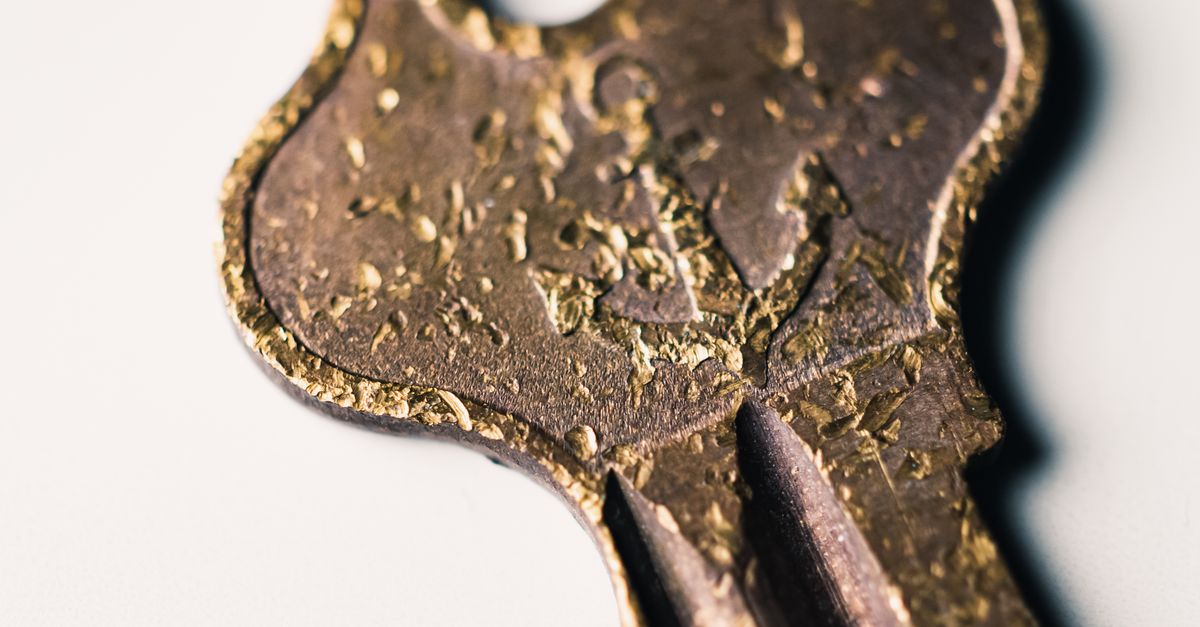
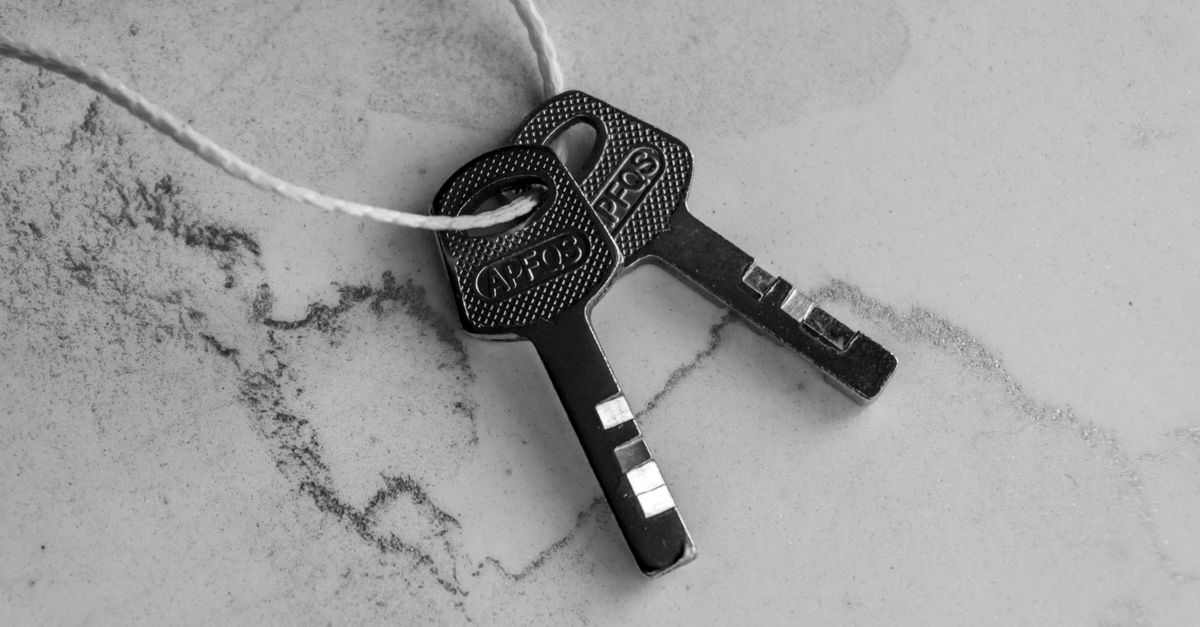
Keys are small pieces of metal subjected to repeated stress. Over time, a key that was duplicated on a worn-cut machine, or one that has been bent and straightened, develops micro-fractures along the bow or shoulder. Cold North Carolina winters — when temperatures drop overnight near Jordan Lake and metal contracts — combined with a lock cylinder that hasn't been lubricated in years create the perfect conditions for a snap. The same goes for high-security vehicle keys with transponder chips: the plastic head absorbs most flex during normal use, but if someone grips the bow too tightly in a sticky ignition, the blade shears cleanly.
Wear on the lock itself is equally to blame. A deadbolt that has been bumped, kicked, or simply used daily for a decade may have a slightly warped plug that grips the key blade unevenly. When you add any lateral torque — turning a key while pushing or pulling the door — the stress concentrates at the weakest point of the blade and it breaks. Understanding the cause matters because our technicians assess the lock's condition during the call, noting whether the cylinder needs to be re-keyed or serviced after the fragment is removed.