Raleigh Pro Locksmith Service Team
Local locksmith team
Jul 22, 2026 8 min read
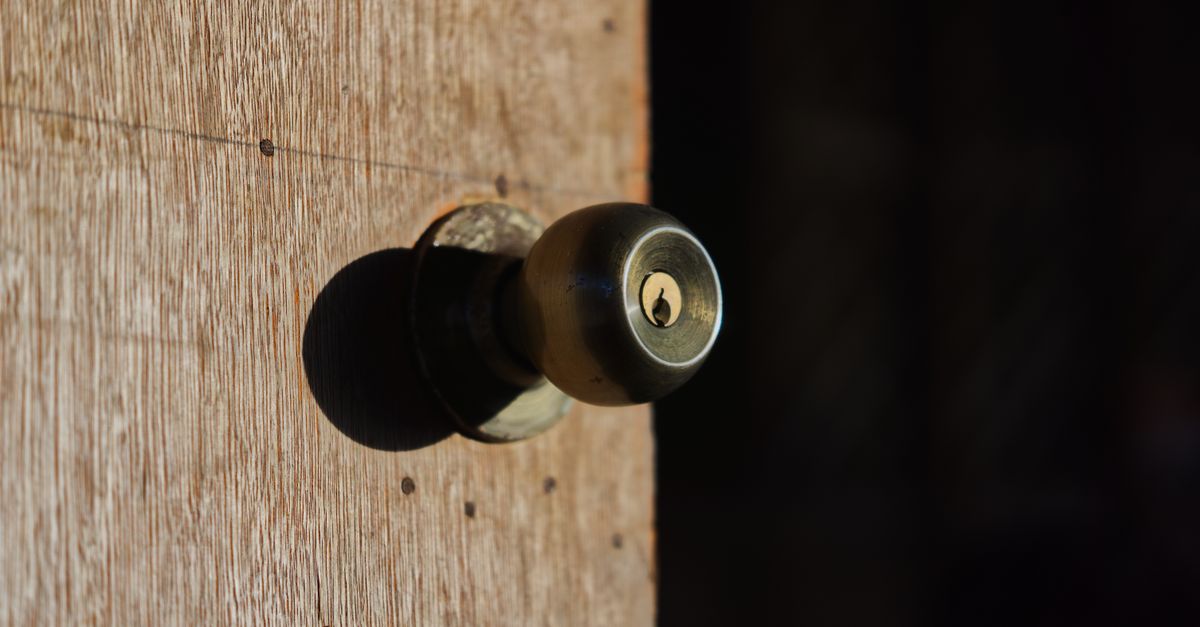
If you've ever stood in the deadbolt aisle at a hardware store and stared blankly at boxes labeled "Grade 1," "Grade 2," or "Grade 3," you're not alone. Most Raleigh homeowners pick a lock based on price or finish — brushed nickel looks nice, so why not? But the grade stamped on that box tells a far more important story: how many kicks, how much torque, and how many cycles of use that lock can actually survive before it fails. In a city growing as fast as Raleigh, where newer subdivisions in North Hills and established neighborhoods near Five Points each face their own security dynamics, choosing the right deadbolt grade isn't a minor detail — it's the first real line of defense on your front door.
This guide breaks down ANSI/BHMA grading in plain language, matches each grade to real Raleigh home scenarios, and helps you decide what to put on every exterior door — front, back, and side. And if you'd rather have a trained locksmith handle the selection and installation so it's done right the first time, our team at Raleigh Pro Locksmith is available around the clock. Call us at (919) 324-1731 anytime.
## What the ANSI/BHMA Deadbolt Grades Actually Mean
ANSI stands for the American National Standards Institute, and BHMA is the Builders Hardware Manufacturers Association. Together, they publish a grading system that puts door hardware through a standardized battery of physical tests — door cycles (how many times the lock can be locked and unlocked before wearing out), bolt strength (measured in pounds of force against the bolt), and strike resistance (how well the lock-and-frame assembly resists impact). The result is a three-tier rating: Grade 1 at the top, Grade 3 at the bottom. These grades appear on residential deadbolts, knob sets, levers, and padlocks, so once you understand the system, you can apply it across your entire home.
Here's the shorthand version: Grade 3 is the minimum residential standard — it'll keep honest people honest. Grade 2 is a meaningful step up and suits most interior or lower-risk exterior doors. Grade 1 is the highest residential rating and is what experienced locksmiths consistently recommend for any door that faces the outside world. The difference between grades isn't just marketing — it's measurable in the lab and, more importantly, in real-world forced-entry resistance.
## Grade 3 Deadbolts: What You Get (and What You Don't)
Grade 3 deadbolts meet the bare minimum of the ANSI standard. They're tested to withstand 250,000 door cycles and must resist a certain level of bolt force, but their strike-plate requirements and overall construction tolerances are the loosest of the three tiers. In practice, this means a Grade 3 deadbolt on an exterior door is significantly more vulnerable to a determined kick or wrench attack. The weak point is almost always the strike plate — Grade 3 hardware typically ships with short screws that only penetrate the door jamb, not the structural framing behind it.
Where does Grade 3 make sense? Interior doors — think a basement door inside your home, a closet room, or a home office where you just want a locking door rather than a security door. On any exterior-facing door in a Raleigh home, a Grade 3 deadbolt is a starting point at best. If that's what's currently on your front door, it's worth a conversation with a qualified locksmith about an upgrade.
## Grade 2 Deadbolts: A Solid Middle Ground for Secondary Doors
Grade 2 deadbolts are tested to 500,000 cycles — double the Grade 3 standard — and they must pass more demanding bolt-projection and strike tests. The build quality is noticeably better: heavier internal components, tighter tolerances, and more robust strike-plate hardware out of the box. For most Raleigh homeowners, a Grade 2 deadbolt on a back door or side garage entry door is a reasonable and practical choice, especially when it's paired with a reinforced strike plate and 3-inch screws that anchor into the door's structural studs.
That said, Grade 2 still isn't the top of the ladder. If your back door faces an alley — as many homes near Glenwood South or the older blocks off Wake Forest Road do — or if it's in a low-visibility spot that isn't easily seen from the street or by neighbors, consider bumping up to Grade 1 even on secondary doors. Visibility and natural surveillance matter in real-world security, and a less-visible door deserves a higher-rated lock to compensate.
## ## Grade 1 Deadbolts: The Right Choice for Raleigh Front Doors
Grade 1 is the gold standard for residential deadbolts — tested to 250,000 cycles in the worst conditions, with significantly higher bolt-strength requirements and mandatory heavy-duty strike-plate performance. Brands like Schlage and Kwikset both offer Grade 1 deadbolt lines (look for the Grade 1 marking on the packaging, not just "heavy duty" marketing language). A properly installed Grade 1 deadbolt with a reinforced strike plate and 3-inch structural screws turns your door frame into a genuinely strong barrier — one that can withstand repeated kick-in attempts that would defeat a lesser lock in seconds.
For Raleigh homeowners specifically, Grade 1 on the front door is non-negotiable as a best practice. Our city's rapid growth has created neighborhoods at varying stages of development, some with excellent street lighting and active neighbors, others with newer construction where community patterns haven't fully settled yet. Whether you're in an established neighborhood like Cameron Village or a newer community out toward Garner, the front door is statistically the most common point of forced entry — and a Grade 1 deadbolt is your most cost-effective physical deterrent. If you're unsure what grade your current deadbolt is, one of our skilled locksmiths can assess it during a home security evaluation. Call (919) 324-1731 — we're available 24 hours a day, 7 days a week.
## Installation Matters as Much as the Grade Itself
Here's something the hardware store won't tell you: a Grade 1 deadbolt installed poorly performs closer to Grade 3 in the real world. The three most common installation failures our locksmiths see are misaligned bolt-to-strike alignment (so the bolt doesn't fully extend), strike plates secured with the standard short screws that pull free on the first serious kick, and door frames with soft wood or pre-existing damage that undermine even the best hardware. Each of these issues can be corrected, but they require knowing what to look for.
When a professional locksmith installs your deadbolt, the process includes verifying door alignment, upgrading to a heavy-duty strike plate if needed, using 3-inch screws into structural framing, and confirming the deadbolt throw (the bolt extension) is the full 1 inch the grade requires. The factors that affect your final installation quote include the specific lock model you choose, whether reinforcement hardware is needed, any travel distance involved, and the time of day — and we always confirm an exact up-front price before any work begins, so there are no surprises. A quality installation on a Grade 1 lock is the combination that actually protects your home.
Frequently asked questions
How do I find out what grade deadbolt I currently have?+
Start by looking for any grade marking on the inside face of the lock or on the original packaging if you still have it. Schlage and Kwikset often print the grade on the interior rose or escutcheon plate. If you can't find a marking, that's often a sign it's a Grade 3 or an unrated lock — which is a good reason to call a locksmith for a quick evaluation. Our team can assess your existing hardware and let you know exactly where you stand.
Does my deadbolt grade affect my homeowner's insurance?+
Some homeowner's insurance policies do factor in lock quality as part of their risk assessment, particularly for scheduled personal property or premium discounts tied to security improvements. It's worth checking directly with your insurance provider. At minimum, having documented Grade 1 hardware on your exterior doors gives you a stronger case that reasonable precautions were taken, which can matter in a claim situation.
Is a smart deadbolt available in Grade 1?+
Yes — several smart deadbolt options from brands like Schlage carry a Grade 1 ANSI/BHMA rating, so you don't have to trade security performance for keypad or app-based convenience. The key is to verify the specific model's grade before purchasing, since not all smart locks in a brand's lineup carry the same rating. A skilled locksmith can recommend and install a Grade 1 smart deadbolt that fits your door and your lifestyle.
Can I just replace my deadbolt myself, or should I use a locksmith?+
Basic deadbolt swaps on a standard door prep (the pre-cut hole pattern) are manageable as a DIY project if the door is in good condition and the replacement lock matches the existing hole size. However, if your door frame has damage, the prep doesn't match, or you're adding a reinforced strike plate for the first time, those steps benefit significantly from a professional installation. Getting the bolt alignment and screw depth right is the detail most DIY installs miss — and it's exactly what makes the difference in a real forced-entry situation. Our locksmiths are available 24/7 at (919) 324-1731 if you'd like it done right the first time.